
Commercial solar projects are becoming more application-focused. When companies evaluate a solar power system today, the discussion usually goes beyond inverter capacity and product price.
For distributors, EPC contractors, and system integrators, the key questions are often practical:
Can the inverter support the actual load profile?
Will the system provide reliable backup when the grid is unstable?
Can the battery configuration be adjusted in the future?
Does the supplier have the technical support needed after delivery?
These questions are changing how commercial customers select a solar inverter.
A factory, telecom site, agricultural facility, or commercial building may all require solar power, but each project has different priorities. Some need critical load backup, some need flexible energy storage, and some need a system that can expand as business demand grows.
For international buyers, selecting a reliable solar inverter supplier is also an important part of project planning. Product quality, technical communication, documentation support, and long-term cooperation all influence purchasing decisions.
ZLPOWER develops solar inverter solutions for commercial, off-grid, and energy storage applications, supporting distributors, EPC companies, and system integrators with different project requirements.
In the past, many purchasing discussions started with a simple question: “What power rating is required?”
Capacity is still important, but commercial projects now require a more complete evaluation.
A 5kW solar inverter used in a small office building may have completely different requirements from a 5kW system installed for a remote communication station.
Before requesting a solar inverter quotation, professional buyers usually consider:
· Connected load type
· Peak power demand
· Backup requirements
· Battery configuration
· Installation environment
· Future expansion plans
A common situation in commercial projects is that not every device needs backup power.
For example, a small factory may need to keep production controllers, monitoring equipment, and communication systems operating during a power interruption. Other electrical loads may not be essential.
This is why EPC contractors often analyze load priorities before selecting equipment.
A suitable commercial solar inverter should match the actual application rather than simply provide higher output capacity.
For distributors, this also means recommending products based on customer requirements instead of offering the same model for every project.
Energy conditions vary greatly between different markets.
Some commercial users operate in areas with unstable grids. Others are looking for better control of solar energy usage and battery storage.
This is where a hybrid inverter provides practical value.
A hybrid inverter combines solar generation, battery storage, and grid interaction in one system. This gives project designers more flexibility when planning energy use.
Typical applications include:
· Commercial backup systems
· Off-grid power solutions
· Solar storage projects
· Areas with unreliable grid supply
During project planning, battery requirements are not always fixed from the beginning.
A customer may install solar equipment first and add batteries later. Another project may require battery backup immediately because downtime affects business operations.
A flexible inverter platform helps avoid replacing the main equipment when project requirements change.
ZLPOWER PVM and PVG series solutions are designed for different application scenarios, including hybrid and off-grid projects. These inverter platforms support flexible system configurations for partners serving different markets.
For companies looking for a hybrid inverter supplier, product flexibility and technical support are often important factors during evaluation.
Backup power does not always mean powering every electrical device.
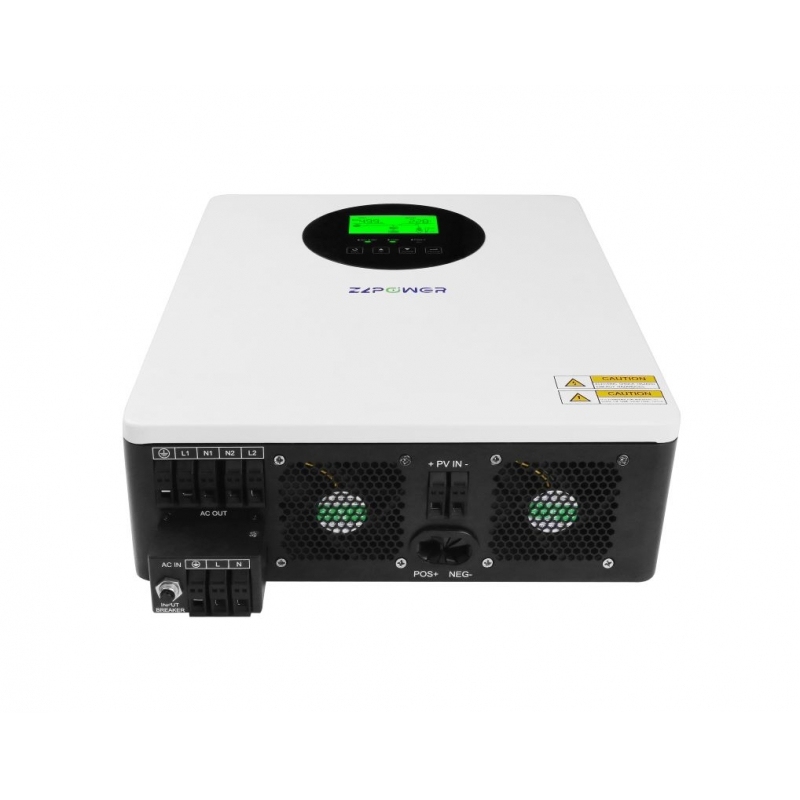
In many commercial applications, the priority is keeping essential equipment available.
Typical critical loads include:
· Communication equipment
· Security systems
· Industrial control devices
· Monitoring equipment
· Essential office systems
A well-designed backup system focuses available energy on the equipment that directly affects operations.
For projects where critical and non-critical loads need to be separated, dual output inverter designs provide a practical approach.
ZLPOWER PVX series inverters are designed with dual output capability, allowing installers to manage different load priorities within one system.
This type of design can help projects:
· Reserve battery energy for important equipment
· Reduce unnecessary energy consumption
· Improve backup planning
For example, a commercial facility may prefer keeping network systems and control equipment online rather than using stored energy for non-essential loads during an outage.
Battery planning is one of the areas that can change during a commercial solar project.
Different markets have different storage preferences. Some distributors focus on lithium battery systems, while others need flexible solutions that fit different customer requirements.
Because of this, battery compatibility has become an important factor when choosing a solar inverter manufacturer.
Commercial buyers usually review:
|
Evaluation Factor |
Why It Matters |
|
Battery compatibility |
Supports different storage options |
|
Battery communication |
Helps system integration |
|
Charging management |
Matches energy usage patterns |
|
Expansion capability |
Supports future upgrades |
In addition, technical details such as MPPT performance, communication options, and system compatibility can affect long-term project operation.
A solar system installed today may need to support higher energy demand in several years. Selecting a flexible inverter platform can reduce future replacement costs.
ZLPOWER provides inverter solutions designed for different commercial and off-grid applications, helping partners build systems based on current project needs while keeping future upgrades possible.
Commercial solar systems are rarely isolated devices. The inverter often needs to communicate with batteries, monitoring platforms, and other energy equipment.
For this reason, technical integration has become an important part of supplier evaluation.
Project teams may consider:
· Battery communication capability
· Monitoring compatibility
· Parallel operation options
· System expansion requirements
For many EPC companies, the first installation is only the beginning of the customer relationship.
A small commercial project may later require additional capacity. A distributor may also need products that can cover different market applications.
Choosing an expandable inverter platform helps reduce future system redesign.
ZLPOWER PVM Plus solutions are suitable for projects requiring flexible configurations, communication integration, and expansion capability.
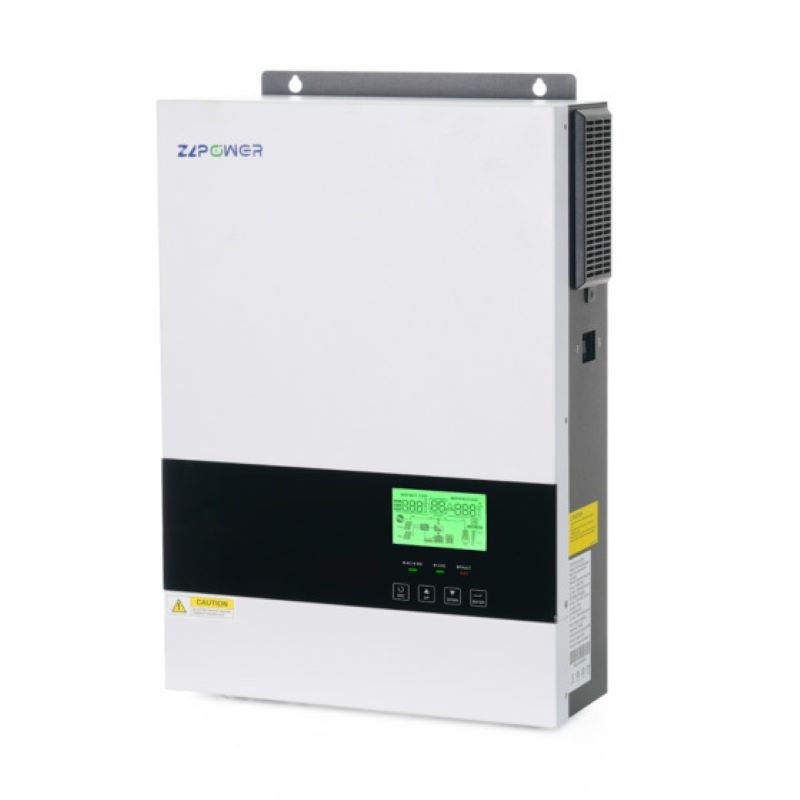
For international partners, working with a supplier that understands different application environments can simplify project delivery.
For overseas buyers, selecting a solar inverter is also a supplier selection decision.
A reliable solar inverter supplier should provide support beyond product delivery.
Important evaluation factors include:
· Product consistency
· Manufacturing capability
· Technical documentation
· Communication response
· Warranty support
· Long-term cooperation ability
A professional solar inverter manufacturer should understand both product requirements and project challenges.
For example, distributors may need different inverter models for different markets. EPC companies may require technical assistance during system design. Project developers may need stable supply for long-term installations.
Providing clear project information helps suppliers recommend suitable solutions.
Typical information includes:
· Application type
· Required power range
· Load requirements
· Battery specifications
· Installation location
· Expected order quantity
This allows suppliers to provide more accurate product recommendations and quotation support.
ZLPOWER works with global partners by providing solar inverter solutions for commercial, off-grid, and backup power applications.
Commercial solar projects in 2026 are becoming more focused on real application requirements. Buyers are looking beyond basic specifications and evaluating complete system capability.
Backup performance, critical load management, battery flexibility, communication features, and supplier reliability are becoming important factors in purchasing decisions.
ZLPOWER provides solar inverter solutions including hybrid inverter, off-grid inverter, and dual output inverter products for distributors, EPC contractors, and commercial energy projects. With flexible product platforms and technical support, ZLPOWER helps partners develop reliable solar power solutions for different markets.
For companies searching for a dependable commercial solar inverter supplier or requesting a solar inverter quotation, ZLPOWER welcomes project discussions and technical inquiries to identify suitable inverter solutions.
Q1: How do commercial companies choose the right solar inverter for a project?
A: Commercial companies usually evaluate load requirements, inverter capacity, backup needs, battery compatibility, communication functions, and future expansion plans before selecting a solar inverter.
Q2: What is the difference between a hybrid inverter and an off-grid solar inverter?
A: A hybrid inverter can work with solar power, batteries, and grid energy, while an off-grid solar inverter is designed for independent power systems. The right choice depends on the application environment and energy requirements.
Q3: Why are dual output solar inverters used in commercial backup systems?
A: Dual output solar inverters allow critical and non-critical loads to be managed separately, helping reserve available energy for important equipment during power interruptions.
Q4: What should distributors check before choosing a solar inverter supplier?
A: Distributors should evaluate product quality, manufacturing capability, technical support, certifications, warranty terms, supply ability, and whether the supplier can provide suitable solutions for different markets.
Q5: What information is needed when requesting a solar inverter quotation?
A: Buyers should provide application details, required power capacity, load information, battery requirements, installation conditions, and order quantity. This helps the supplier recommend a suitable solar inverter solution.
 ChatNow
 Vania
Vania