
When a commercial solar project enters the planning stage, the inverter decision is usually discussed together with electricity usage, battery planning, and future operating requirements.
For EPC contractors, system integrators, and commercial project owners, the question is rarely only about equipment price.
The more important questions are:
· Can the system reduce electricity costs over time?
· Is battery storage required now or in the future?
· What loads need backup power during grid interruptions?
· Can the inverter support future expansion?
A traditional solar inverter mainly converts PV power into usable electricity.A hybrid inverter adds another layer of control by connecting solar generation, battery storage, and grid power management in one system. ZLPOWER provides hybrid solar inverter solutions designed for applications requiring PV integration, battery management, and backup power capability.
For C&I solar projects, this difference matters because businesses are not only looking for renewable energy generation. They are also considering energy control, operational continuity, and long-term investment value.
For companies searching for a reliable hybrid inverter supplier, the evaluation usually goes beyond product pricing. System compatibility, technical support, and application experience also influence the final decision.
A hybrid inverter is not automatically the best choice for every commercial solar project.
The value depends on how the facility consumes electricity.
A factory with daytime production may use solar energy immediately, while a warehouse operating mainly in the evening may gain more value from battery storage. A remote facility may focus more on backup capability.
Before selecting a system, EPC teams normally review:
|
Project Condition |
Impact on Hybrid Inverter Selection |
|
High electricity consumption |
Greater potential for solar savings |
|
Evening operation |
Higher value from battery storage |
|
Unstable grid supply |
Stronger backup requirements |
|
Future expansion plans |
Need for scalable system design |
For C&I solar projects, the right inverter choice should follow the site conditions rather than only the lowest quotation.
A standard solar inverter focuses mainly on PV power conversion.
A hybrid inverter manages additional functions, including:
· Solar generation
· Battery charging and discharging
· Grid interaction
· Backup power operation
The difference becomes important when businesses want more control over when electricity is produced and consumed.
For example, a factory may generate excess solar power during certain periods. Instead of using only immediate solar production, a hybrid system can store energy for later use when demand increases.
For commercial users, the value comes from having more choices in daily energy management.
During project discussions, buyers often compare the price difference between a standard solar inverter and a hybrid inverter.
However, commercial projects usually consider the complete operating picture.
Common evaluation areas include:
|
Evaluation Area |
Business Consideration |
|
Solar self-consumption |
Reduce purchased electricity |
|
Battery storage |
Shift energy use to more suitable periods |
|
Backup capability |
Reduce the impact of outages |
|
Future expansion |
Avoid major system changes |
For a manufacturing facility, the cost of equipment downtime can be much higher than the difference in inverter pricing.
This is why hybrid inverter ROI is not only calculated through electricity savings. Backup value and future system flexibility may also influence the final investment decision.
Battery storage is one of the main reasons businesses consider a hybrid inverter instead of a standard solar inverter. For projects requiring integrated storage solutions, ZLPOWER also provides energy storage products designed to work with solar power systems.
A battery storage inverter system can help businesses:
· Store unused solar energy
· Use stored power during higher-cost periods
· Support important loads during outages
However, battery payback depends on actual operating conditions.
Factors include:
· Electricity prices
· Daily load profile
· Solar production
· Battery capacity
· Local grid conditions
For EPC companies, a realistic payback estimate usually starts with understanding how the facility uses electricity throughout the day.
For commercial users, backup power is often connected directly with operational risk.
A short outage may affect:
· Production equipment
· Industrial control systems
· Communication devices
· Security systems
A hybrid inverter combined with battery storage can provide backup power for selected critical loads.
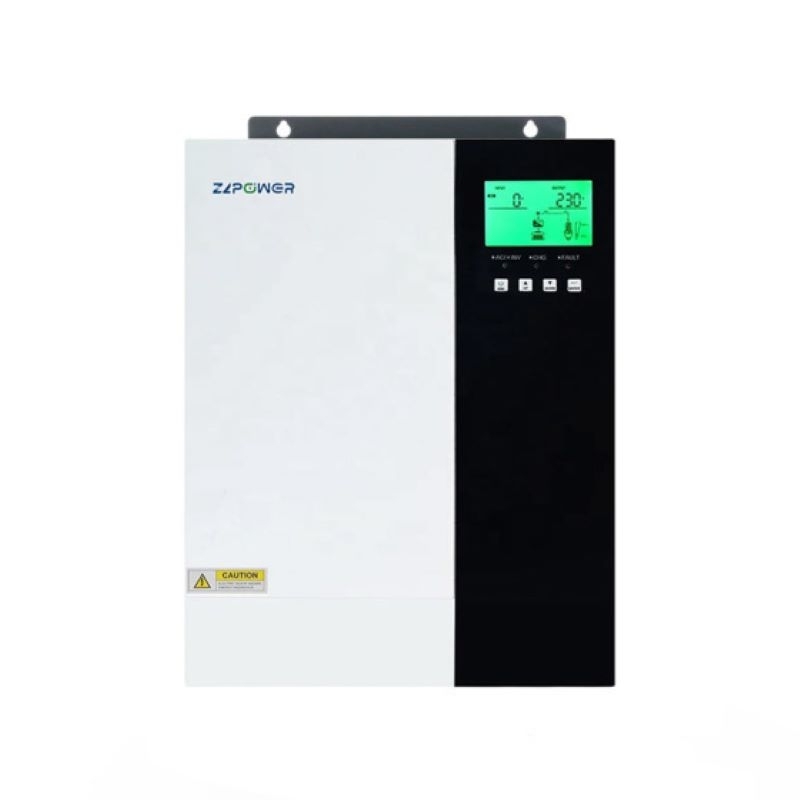
The goal is usually not to operate every electrical device during an outage. Instead, businesses normally prioritize equipment that must continue operating.
When choosing a commercial solar inverter, project teams often review more than power conversion performance.
Technical discussions may include:
· Battery communication compatibility
· MPPT configuration
· Monitoring requirements
· Grid connection conditions
· Backup load design
For overseas buyers working with a commercial solar inverter supplier, these details are often reviewed before confirming the final system configuration.
Inverter capacity selection is an important part of commercial and industrial projects.
A system that is too small may limit performance, while an oversized system may increase unnecessary investment.
Project teams normally review:
· Facility peak load
· PV system size
· Battery capacity
· Future energy expansion
For an industrial solar inverter application, the correct configuration depends on the equipment being powered and the expected operating environment.
|
Application |
Main Focus |
|
Factory |
Production stability and energy cost control |
|
Warehouse |
Electricity usage management |
|
Commercial building |
Daily energy consumption |
|
Remote facility |
Reliable power availability |
This is why experienced suppliers usually discuss the application first before recommending a configuration.
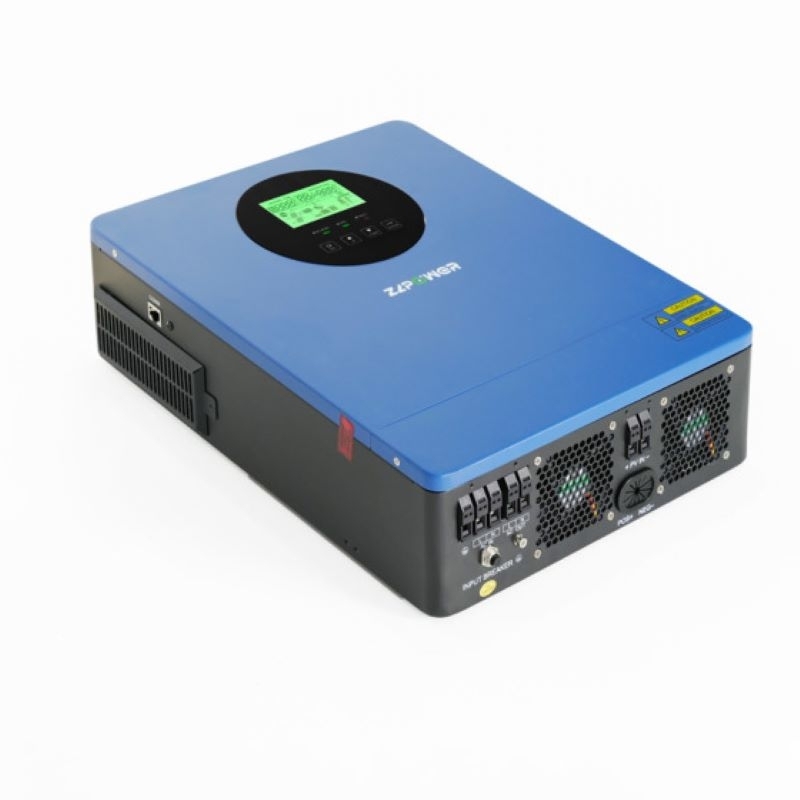
Img.zlpower pvg hybrid solar inverter for commercial solar storage systems.webp
For commercial and industrial projects, the inverter is not an isolated component. It needs to work together with PV generation, battery storage, and the facility’s operating conditions.
ZLPOWER is a solar inverter manufacturer providing hybrid inverter solutions for applications involving solar generation, energy storage, and backup power.
In C&I projects, ZLPOWER works with EPC contractors, distributors, and system partners that need inverter solutions for different market requirements.
Project discussions often include:
· PV system size
· Battery integration plans
· Backup requirements
· Grid conditions
· Installation environment
ZLPOWER hybrid inverter solutions are designed for applications requiring:
· Solar and battery integration
· Commercial energy storage
· Backup power capability
· Flexible system configurations
For companies looking for a hybrid inverter supplier, selecting the right product configuration is usually based on project conditions rather than specifications alone.
During a C&I solar project discussion, the inverter choice is usually made after reviewing electricity usage, backup expectations, and future expansion plans.
The lowest equipment price is not always the best fit if the system cannot support future energy requirements. For businesses that need battery integration, backup capability, or greater control over solar usage, a hybrid inverter can provide additional value compared with a standard solar inverter.
ZLPOWER works with EPC contractors, distributors, and commercial project developers that require reliable hybrid inverter solutions. For project evaluation, technical discussion, and quotation requests, contact ZLPOWER to discuss suitable inverter configurations.
Q1: Is a hybrid inverter worth the extra investment for a C&I solar project?
A: It depends on the project conditions. A hybrid inverter is often considered when businesses need battery storage, backup power, or more control over solar energy usage. Projects with stable grid conditions and simple energy needs may have different priorities.
Q2: What information is needed before requesting a hybrid inverter quotation?
A: EPC companies and buyers usually provide PV system size, electricity consumption data, load profile, battery requirements, grid conditions, and backup expectations. This information helps suppliers recommend a suitable configuration.
Q3: Can a hybrid inverter be added to an existing solar system?
A: It depends on the current system design, inverter configuration, and battery requirements. Technical evaluation is usually needed to confirm compatibility.
Q4: What should businesses compare when choosing a hybrid inverter supplier?
A: Buyers usually review product reliability, technical documents, battery compatibility, manufacturing capability, delivery ability, and after-sales support.
Q5: How does ZLPOWER support C&I hybrid inverter projects?
A: ZLPOWER works with EPC contractors, distributors, and commercial users by providing hybrid inverter solutions for solar generation, battery storage, and backup power applications.
 ChatNow
 Vania
Vania