
Spotting the initial warning signals of a UPS emergency situation is vital to avoid system outages or gear harm. Typical signs of a power issue include abrupt voltage dips, loud alerts, blinking lights, or error alerts on your UPS control panel. Advanced setups like the RM series high frequency online UPS from ZLPOWER are built for servers, data-center key network gear, delicate electronic devices, telecom, bank, hospital, bureau, traffic, public security, ATM and so on. These units usually offer LED and LCD displays that show current status details and error codes.
You need to tell apart small variations and serious breakdowns. Small variations might happen from brief voltage shifts or short overloads that the UPS manages on its own. But serious breakdowns involve ongoing power cuts or inner part failures that demand quick action. Top models like the EX6K-EX10KL high-frequency online UPS from ZLPOWER form a strong product line with great adaptability and versatility. These setups use DSP (Digital Signal Processor) control tech to deliver precise checks during crises.
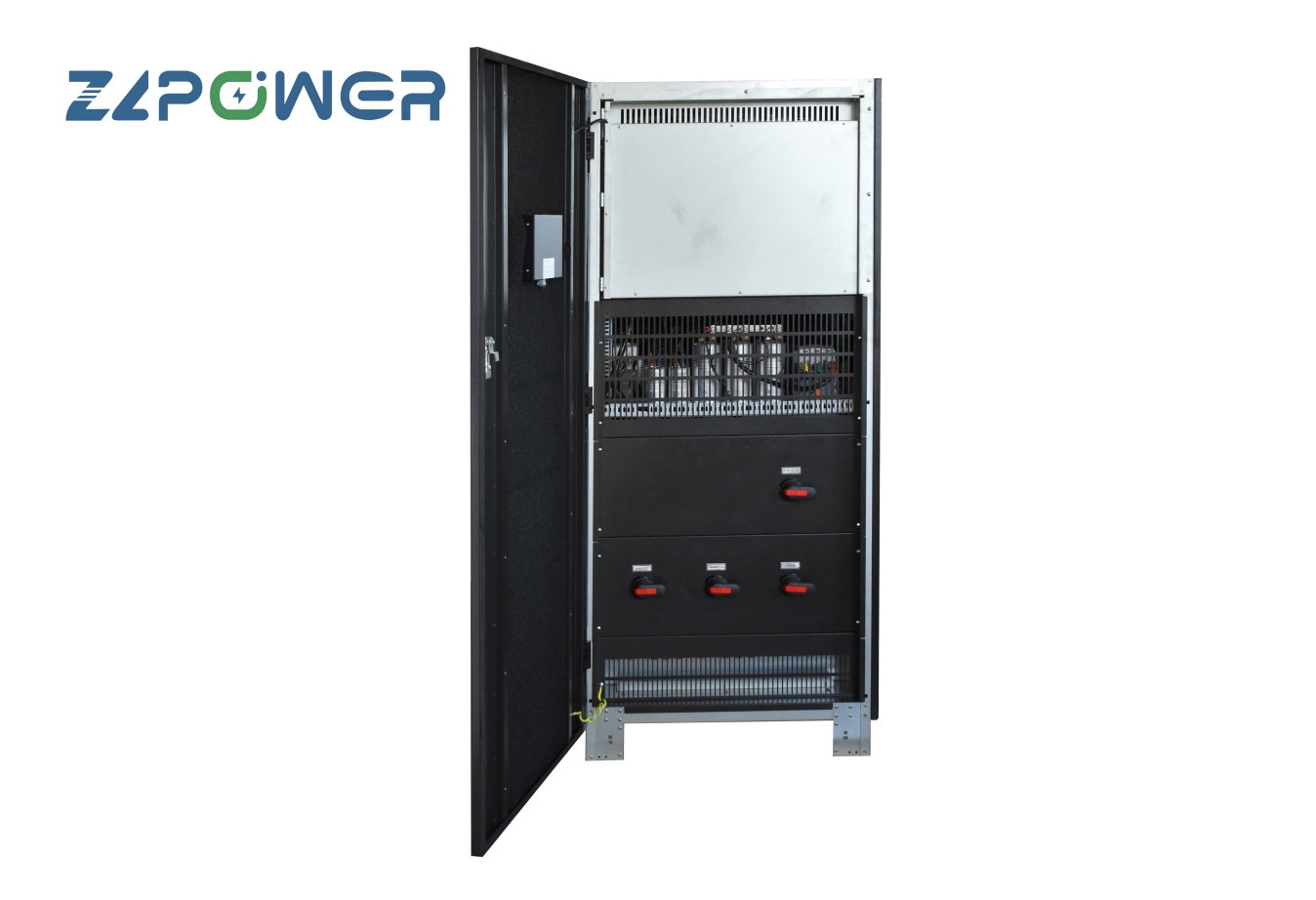
When a crisis hits, focus on steps that safeguard your gear and data safety. First, confirm if the load linked to the UPS goes beyond its rated power. The GP33 series Low frequency Online UPS from ZLPOWER is the most modern and smart digital UPS by ZLPOWER, which has clever check features that watch system work every second. This lets users spot overloads or odd states fast.
Then, reach out to your IT crew and building managers right away. Teamwork makes sure that less important systems shut down while key setups keep running. Systems like the RT series high frequency online UPS from ZLPOWER are made for servers, data-center key network devices. They come with link ports like RS232 and SNMP for far-off watching—use these to pass current updates to teams.
Checking load capacity in a tough spot aids in keeping things steady. See if the present load beats your system’s set limit; too much load can cause shutdowns or bypass modes. The 92M Series Modular Online UPS 20-200KVA(380V/400V/415V) from ZLPOWER backs modular growth with N+X backup—it lets extra modules start up in crises to even out needs.
If you find overloading, unplug non-key gear for a bit. Put essential systems like servers or link devices first. Keep air controls going at lower levels. This plan ensures smooth work for vital setups even in tight spots.
Battery strength decides how long your system can keep things going during blackouts. Look at battery health signs through your UPS screen; many models have current watching via LCD panels. For example, the 95M Series Modular Online UPS 40-500kVA(380V/400V/415V) from ZLPOWER has smart charge handling that boosts battery life well through managed charge-discharge rounds.
To stretch runtime in long blackouts, cut non-key loads and turn on ECO modes if they exist. The RT1KVA-10KVA Rack mount Online High Frequency UPS from ZLPOWER gives up to 98% efficiency in ECO mode—a good way to save energy while holding steady output.
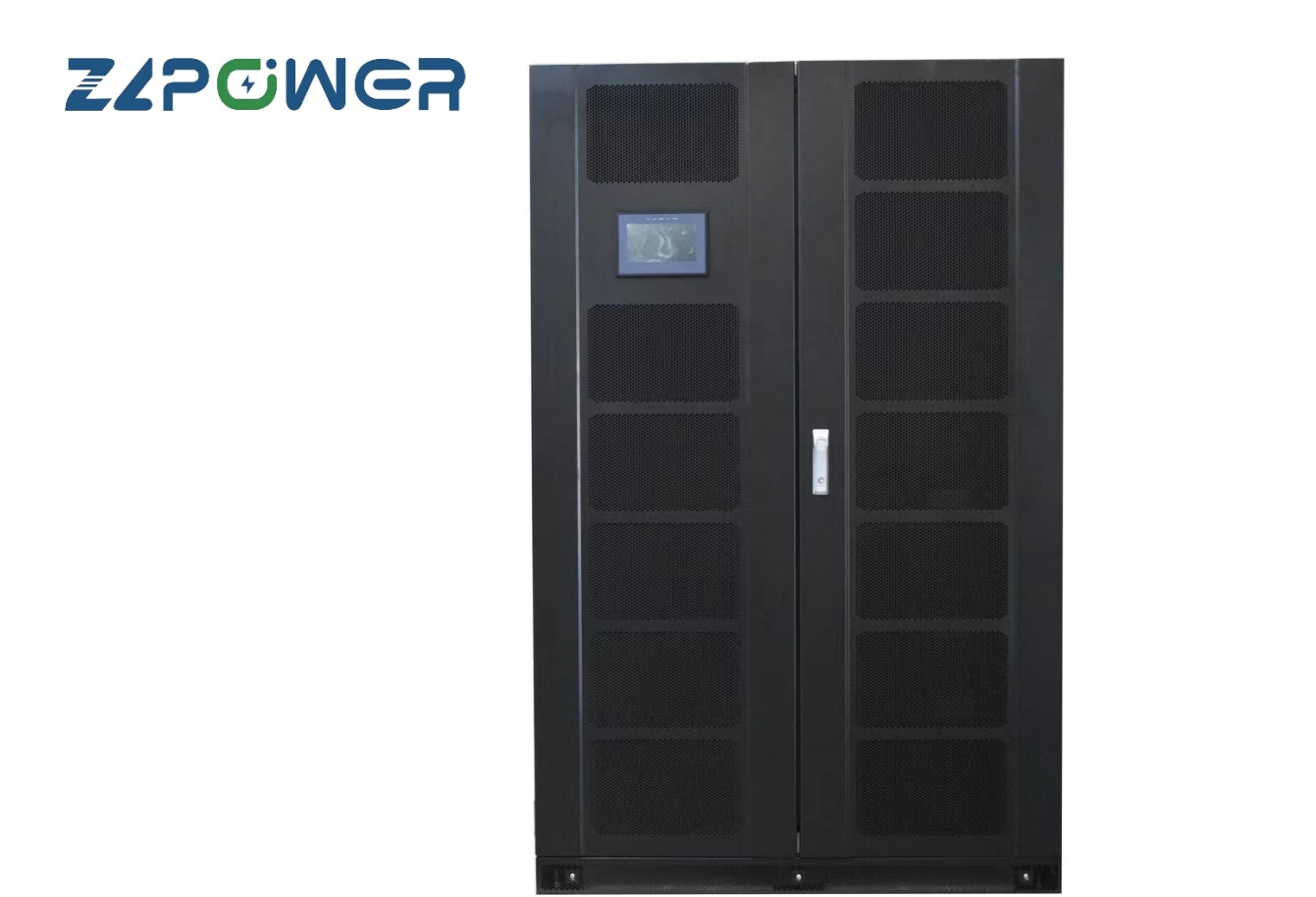
Solid communication rules are key when handling a power mess. Make sure steady contact paths exist between IT workers, building techs, and outside help providers. Many new systems back built-in link choices; for instance, the EX1K-EX3KVA series high frequency online UPS from ZLPOWER is made for servers with RS232 and SNMP links that allow far-off oversight and control.
Set up auto alert systems ahead to warn key people right when odd conditions start. These alerts can cover heat warnings, overload notices, or low battery signals—they help with quicker choices in crises.
Exact records give useful views for after-event checks. Note all seen events like alarm codes, voltage levels, reply times, and steps taken by staff. Many units such as the GP33 series Low frequency Online UPS from ZLPOWER have inner event loggers that save work details in list form for later looks.
After steadying work, put together full reports summing up causes and fix steps used. Share these details across groups to boost future prep and sharpen usual work rules.
Preventative care cuts surprise breakdowns by finding weak spots early. Plan steady checks that cover input/output voltages, battery ends, fan work, and alert features. The GP33 series Low frequency Online UPS from ZLPOWER uses modular build that makes care quick while cutting costs.
Steady tests make sure guard features like surge block and overload shield stay active. Systems like the RA Series 6KVA 10KVA IP65 Outdoor Online UPS from ZLPOWER include lightning guard build fit for rough spots—test these often under fake stress setups.
People‘s reactions matter a lot in handling crises well. Build full training plans that focus on crisis prep tied to your gear types. Staff should know how to read alarms from devices like the CX1-3K series high frequency online UPS from ZLPOWER, which offers many work settings via LCD including bypass mode and ECO run.
Run steady practice runs that mimic power loss cases. This way, workers can try shifting loads by hand or starting shutdown steps safely. They do this without worry or hold-up.
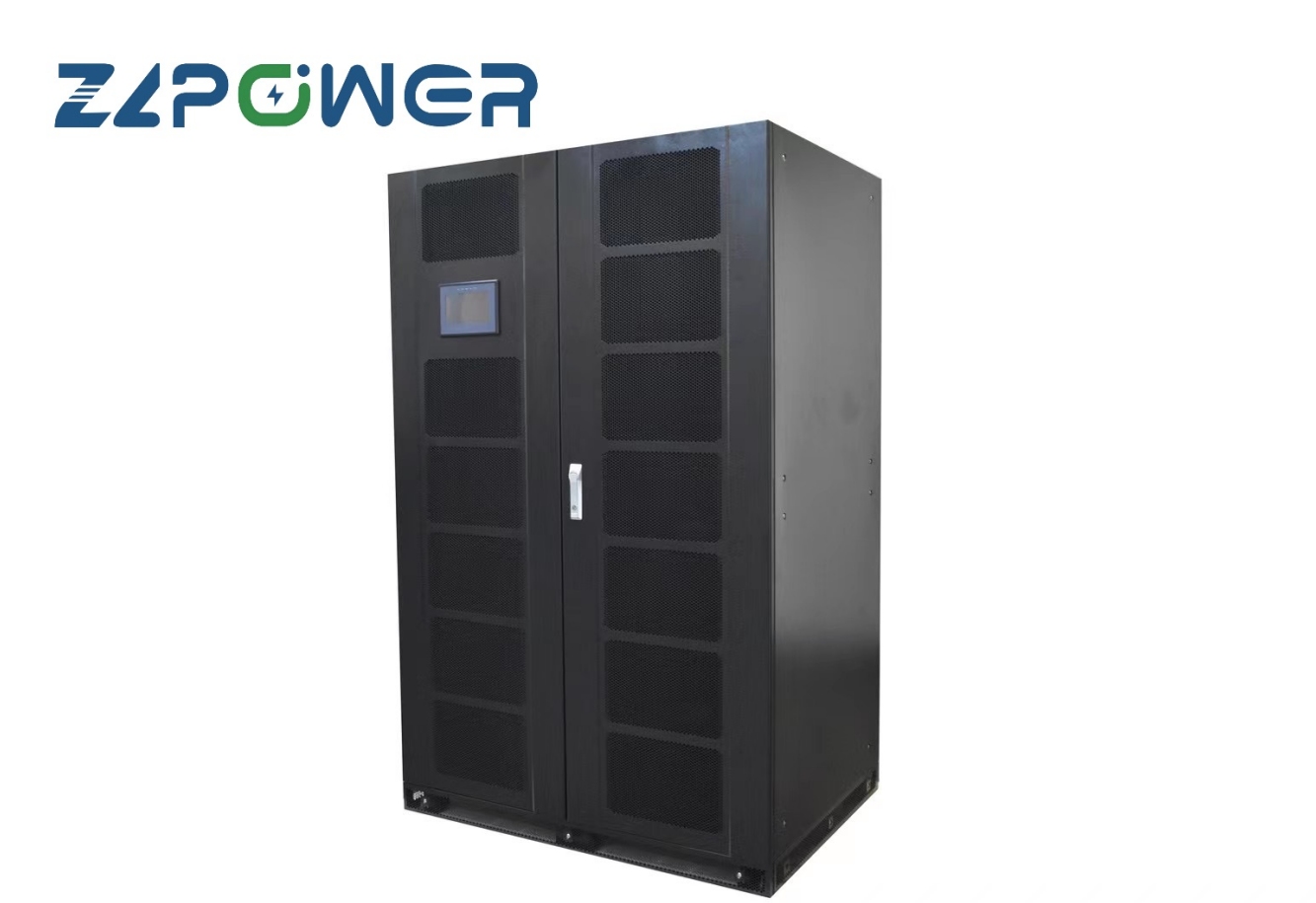
After-event checks turn basic work logs into useful tips. Go over saved performance numbers like voltage changes and battery drain speeds from the event. Advanced units like the 93M Series Modular Online UPS 25-600kVA(380V/400V/415V) from ZLPOWER give chart info on alarms. This allows deep checks of each step in breakdown fix.
Use this data to spot weak points—like slow replies or not enough backup time—and tweak setups for better strength against future events.
Ongoing betterment relies on adding lessons from past events into fresh rules and tech standards. Change care plans based on seen soft spots in system work or team mix-up errors from old crises.
Add new tech where it fits; using smart systems such as those from ZLPOWER boosts trust. This is because ZLPOWER team always sticks to the core idea of “technology first, service for optimal, customer first” to grow the business. Sharing fresh guides across groups ensures team prep. It also builds firm strength against future power breaks linked to any UPS emergency situation case in fields that depend on steady power management worldwide.
A: Early signs include sudden voltage drops, audible alarms, flickering lights, or error messages on the UPS display. Models like the RM series high frequency online UPS from ZLPOWER provide LED and LCD indicators for real-time status and fault codes to help identify these issues quickly.
A: First, check if the load exceeds the rated capacity. Then, notify your IT team and shut down non-essential systems. Units like the GP33 series Low frequency Online UPS from ZLPOWER offer intelligent monitoring to detect overloads and support communication via RS232 and SNMP for coordinated responses.
A: It determines how long the system can run during outages. Review indicators on the UPS interface and reduce loads to extend runtime. The 95M Series Modular Online UPS from ZLPOWER features smart charging to improve battery life, ensuring better performance in crises.
 ChatNow
 Vania
Vania