
The worldwide drive for renewable energy is picking up speed. As a result, solar power systems are growing more common in homes, businesses, and factories. These setups rely on one key part: the inverter. Inverters turn the DC (direct current) power from solar panels into AC (alternating current) power. This AC power runs home devices and connects to the grid.
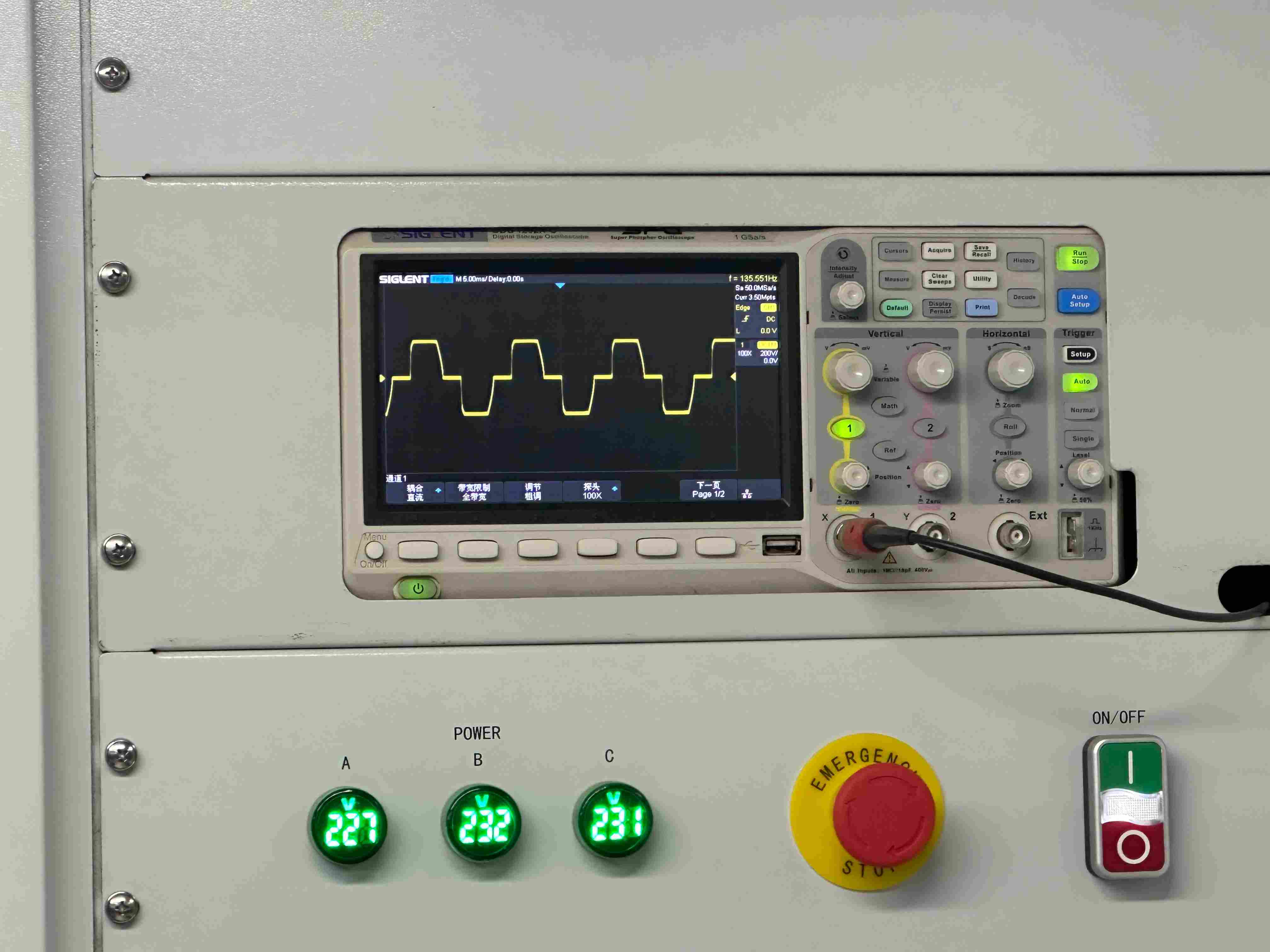
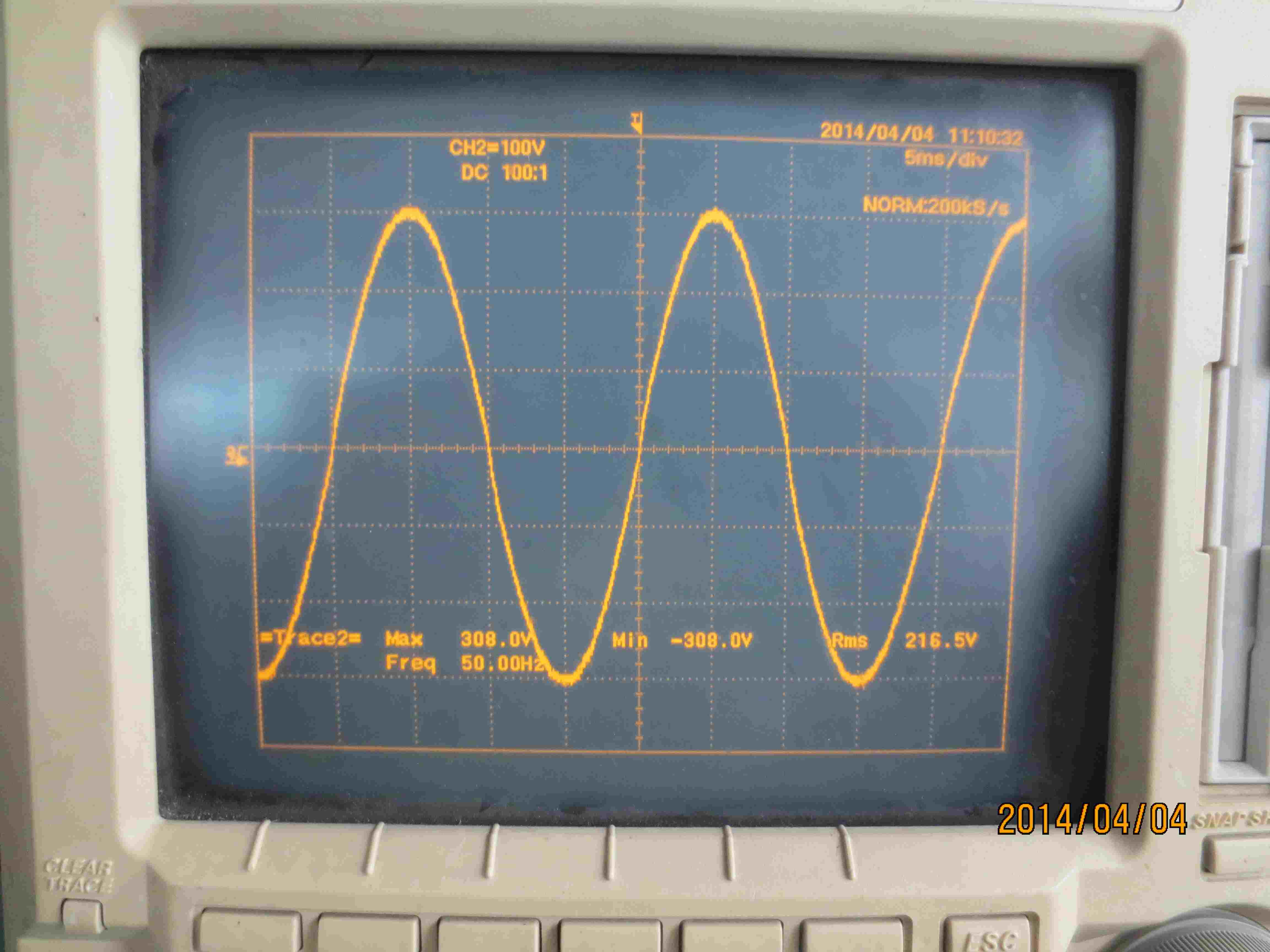
Out of all inverter types on the market, two stand out: Modified Sine Wave Inverters and Pure Sine Wave Inverters. The main difference is in their output waveform. A pure sine wave inverter makes a steady, even wave. This wave closely matches the power from utility companies. On the other hand, a modified sine wave inverter forms a rough, stepped version of a sine wave. It is easier and cheaper to make.
You can see the difference clearly in pictures. A pure sine wave looks like a gentle, flowing curve. A modified sine wave looks like flat, blocky steps. This small change affects efficiency, how well it works with devices, and costs over time.
Comparing modified and pure sine wave inverters involves a few key points. These include electromagnetic interference (EMI), starting cost, value over time, and how well they run.
Modified sine wave inverters tend to create more electromagnetic interference. This leads to buzzing from sound gear or humming from fans and fluorescent bulbs. Certain delicate devices might not work right. Or they could get damaged over time from the electrical buzz.
By contrast, pure sine wave inverters generate power that copies the even waveform from utility sources. As a result, they cut down EMI a lot. They also provide cleaner and quieter work for every piece of connected gear.
The big draw of modified sine wave inverters is their cheap price. They rely on basic wiring and fewer parts. This keeps them budget-friendly for people with simple requirements. Pure sine wave inverters need fancier inner designs and controls. So they cost more at the start.
Still, that starting spend usually pays back through better results and longer life.
Modified sine wave inverters start out cheaper. However, they can cause higher expenses later. This happens because of waste and wear on gear. Devices running on modified waves often use extra energy. Or they break down too soon. If you have to fix or swap out broken items later, or switch to a pure sine setup, it eats away at the early savings.
Pure sine wave inverters run more smoothly. They are easier on devices too. This means less breakdowns and longer use for appliances. That‘s why they usually save money in the end.
Pure sine wave inverters have better efficiency scores. They work with almost every electronic item. They matter most for devices with chips or motors that change speed. Examples include computers, medical gear, fridges, and laser printers.
Modified sine wave inverters fit basic loads well. Think incandescent lights and basic tools. But they have trouble with motors or finicky electronics.
Picture riding a bike with square wheels. This is like running sensitive electronics on a modified sine wave inverter. The trip feels rough, wasteful, and could harm things. Now picture smooth round wheels. That‘s the easy ride from a pure sine wave inverter.
Picking between a modified and pure sine wave inverter hinges on your power needs.
If you just need power for basics like lights, fans, or basic tools, a modified sine wave inverter works fine. It is a smart, low-cost pick for camping or small off-grid setups. There, you only use simple devices.
Devices that work with either type include:
· Incandescent light bulbs
· Simple power tools
· Electric kettles
· Old-model TVs
If you want to power newer appliances or delicate electronics, you need a pure sine wave inverter. Items with digital timers, changing speeds, or chip controls demand steady power. Otherwise, they won‘t run well.
Examples of devices that require pure sine wave:
· Desktop computers
· Medical equipment like CPAP machines
· Refrigerators and microwaves
· Modern LED TVs
· Laser printers
Some devices may operate on modified sine wave but experience issues such as:
· Noise from audio equipment
· Glitches in digital clocks
· Heat buildup in motors
For these reasons, pure sine wave inverters are highly recommended for any precision electronics or environments where performance stability is crucial.
ZLPOWER provides a wide selection of pure sine wave inverter products. These are built to handle different energy needs. Started in 2007, ZLPOWER is a national high-tech enterprise. It focuses on research, making, and selling UPS power supply, Power Inverter, Solar inverter.
One of its best products is the LW Series 4000W-6000W pure sine wave inverter charger. This makes it ideal for home backups or spots far from the grid. Its low-frequency transformer and LCD screen keep power steady. Even when loads change.
For tougher jobs, ZLPOWER’s GS Series offers up to 12000W split-phase hybrid models. These fit farms, homes, plants, or wooded spots. The units handle various batteries like LifePO4 and deep-cycle types. They include smart options like MPPT solar charging and Wi-Fi links.
This pure sine wave inverter also functions as a solar charger inverter, solar grid inverter, and solar hybrid inverter with MPPT. It gives great options for off-grid life or backup power plans.
ZLPOWER‘s commitment to innovation is also evident in its certifications—ZLPOWER has passed ISO9001 and ISO14001 certificates, ensuring both quality assurance and environmental responsibility.
Both modified and pure sine wave inverters play key parts based on how you use them. Modified sine wave choices are "good enough" for simple loads when price matters most. Yet for folks with delicate electronics or goals for lasting dependability and smooth running, pure sine wave inverters deliver better results in every way.
Check your device needs closely. For basic lights or heaters, a cheap modified inverter might do. But for current electronics or vital systems, buying a top pure sine wave unit like those from ZLPOWER is the wise move.
For further guidance on selecting the right inverter system or customizing your solar solution, ZLPOWER’s team is available to assist with expert recommendations tailored to your specific requirements.
A: Pure Sine Wave Inverters produce a smooth waveform identical to grid power, offering lower electromagnetic interference, higher efficiency, better compatibility with sensitive electronics, and reduced risk of equipment damage or noise.
A: Opt for Pure Sine Wave Inverters when powering modern or sensitive devices like refrigerators, microwaves, computers, medical equipment (e.g., CPAP machines), laser printers, or variable-speed motors, as they require clean, stable power for optimal performance and longevity.
A: Yes, especially for long-term use with sensitive electronics. While more expensive upfront, Pure Sine Wave Inverters provide greater efficiency, reduce power consumption, prevent premature wear on devices, and offer superior overall cost-effectiveness.
 ChatNow
 Vania
Vania