
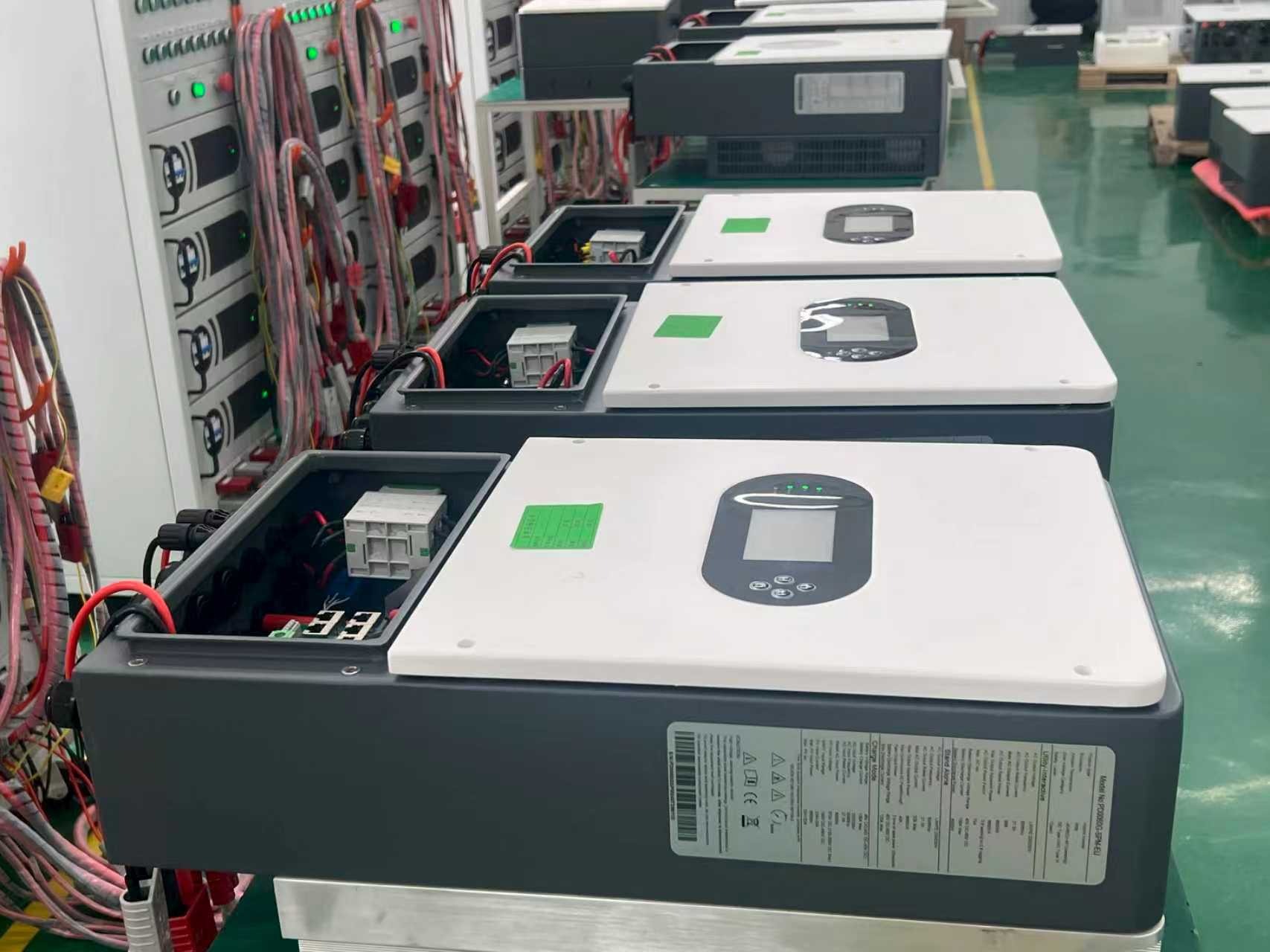
Electrical power setups usually fall into two main categories: single-phase and three-phase. The key difference is in how the alternating current (AC) flows. A single-phase setup relies on just one AC wave. In contrast, a three-phase setup employs three distinct AC waves. Each wave is shifted by 120 degrees. Inverter devices match these patterns. They turn direct current (DC) into practical AC for both kinds of networks. In business settings with bigger and trickier energy needs, picking between single-phase and three-phase inverters matters a lot.
A single phase inverter changes DC power into AC power using one smooth wave. It suits home or light business uses. These setups work well for needs under 10kW. It also handles data-center key network gear, delicate electronic tools, telecom, banks, hospitals, offices, traffic systems, public safety spots, ATMs, and more. These units provide key perks like clean sine wave output. They boast strong input power factor. Plus, their small size works great in tight spaces.
Three phase inverter setups fit big-power business and factory jobs. They create three AC outputs of the same strength. These outputs have a 120° phase gap. It features three-phase four-line and ground setup. It offers 0.8 output power factor and DSP chip. These inverters suit places like data centers, communication centers, and making plants. There, power quality and even load spread are very important.
Three-phase setups naturally deliver more power than single-phase ones. This lets them manage heavy loads in a smoother way. Single-phase inverters have limits on size. Yet, they fit basic load cases better.
Efficiency counts too. High-end three-phase models boost system efficiency to 95%. They double the energy savings. As a result, they cut energy waste and running costs over years. Single-phase setups often run at lower efficiencies. This stems from their restricted load management.
Voltage steadiness and harmonic noise are vital in business operations. Three-phase inverters usually give better voltage control during changing loads. Voltage Regulation: 1% for balanced load; 1.5% for unbalanced load. This ensures steady work even with shifting needs.
Also, three-phase setups show less harmonic distortion. Output THDu: <1% , Linear load; <5.5%, Non-linear load. This extends the life of linked devices. It cuts interference in picky electronics. Single-phase setups might face bigger voltage drops and surges during quick load shifts.
Installing single phase inverters is simple and cheap. The rack mount 19” design saves room. Simplified wiring makes them perfect for small areas or spots with basic existing setups.
On the other hand, three-phase inverters need a more detailed installation. This includes even load sharing and matching grid help. Three phase can equal stable voltage and control separately. It helps manage instant overload levels evenly. Thus, it achieves 100% output imbalance load. These systems might also need to sync with main power lines. They may require extra safety gear for reliability.
The starting cost for three-phase inverter systems is often higher. This comes from their detailed build and larger size. Its cutting-edge digital circuit tech makes the whole inverter last 80% longer than earlier versions. Still, this spending often leads to stronger trust and output in tough settings.
Single-phase inverters start at a lower price. However, their weaker efficiency can raise energy bills in the long run. In comparison, many three-phase models use advanced 3-level technology. This ensures high efficiency up to 96% in double conversion mode. So, they prove more wallet-friendly for ongoing business tasks.
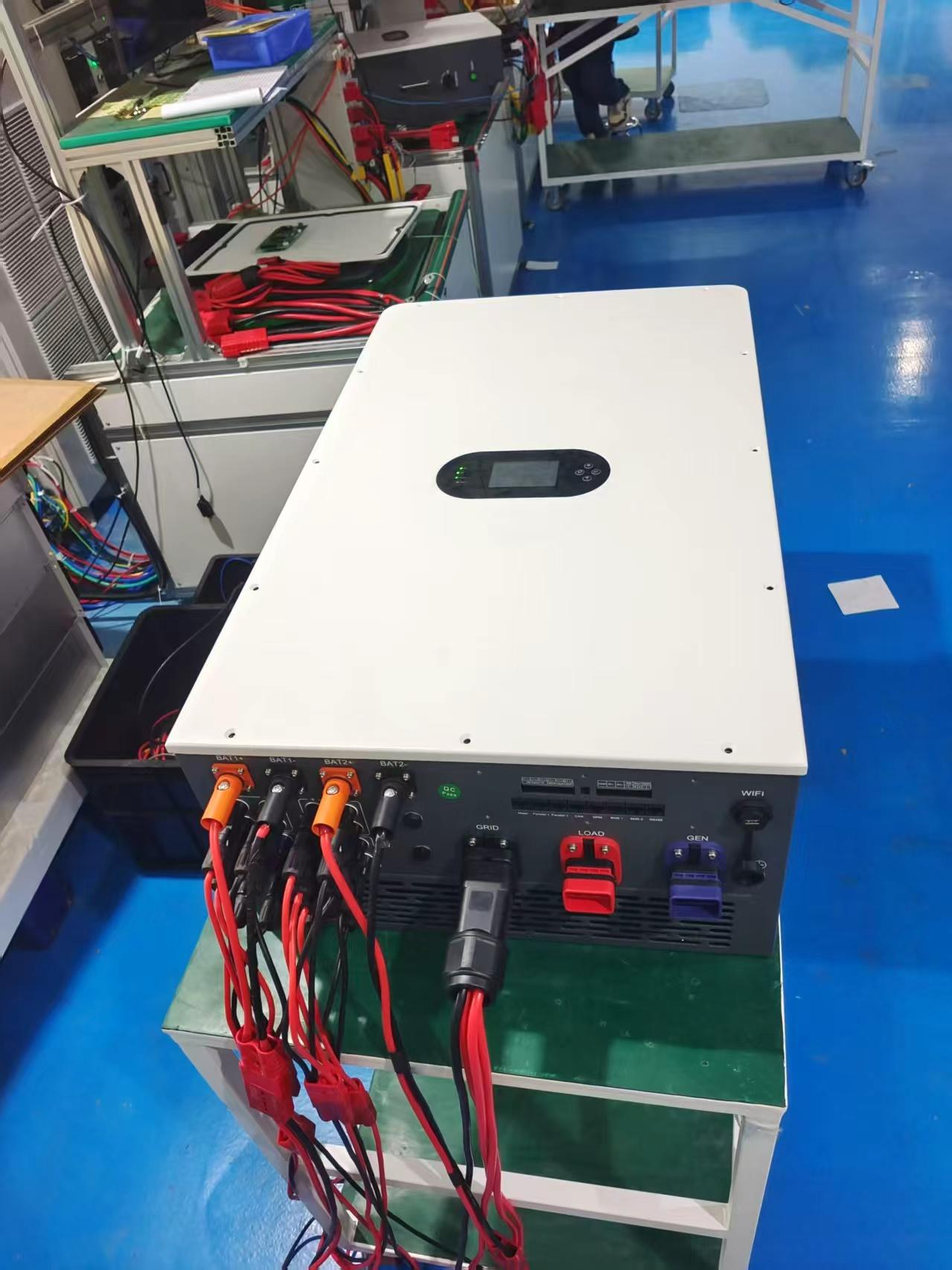
The first move is to figure out if your building uses single-phase or three-phase power from the utility. Check the main electrical panel for this. Or, ask your power company to confirm.
A precise check of your overall and top power needs makes sure the picked inverter can meet work demands. It avoids breakdowns or overloads. This involves looking at all attached gear. That includes HVAC units, computers, lights, and factory machines.
Make sure vital gear matches the inverter’s output traits—voltage, frequency, and wave shape. For instance, delicate electronics need a pure sine wave output. This prevents harm or glitches.
Local power rules might set what inverter types can link to the grid. They may require certain approvals. ZLPOWER has passed ISO9001 and ISO14001 certificates. It has cleared various industry approvals like Thayer, CE, UL, ETL, CCC. Meeting these rules avoids legal issues. It also ensures safer system running.
In the end, deciding on a single-phase inverter or three-phase system depends on your building’s exact power needs. It also hinges on long-range work aims, setup preparedness, and money limits. Using top tech from leaders like ZLPOWER brings solid reliability and output in many business uses.
A: A single-phase power inverter creates one AC wave. It fits smaller loads. Meanwhile, a three-phase power inverter makes three waves shifted by 120 degrees. This gives stronger power output and improved efficiency for business and factory jobs.
A: Pick a three-phase power inverter for spots with big power calls, usually over 10kW. Use it for heavy machines or even load needs, like in data centers or factories. It offers top steadiness and efficiency.
A: Yes, three-phase power inverters often reach higher efficiency, up to 96%. This happens through better load sharing and fewer energy wastes. So, they save more money over time in business settings than single-phase types.
 ChatNow
 Vania
Vania