
The solar sector in 2026 advances quickly. Large-scale utility and business setups grow steadily. Expectations rise for better energy output, stronger grid balance, and reduced running expenses. Smart solar inverters change from basic grid-connected units into clever energy control centers. They now use AI-based methods, online remote tracking, and forward-looking O&M tools that help systems spot problems early. These innovations drastically cut downtime while improving asset performance and ROI.
The solar inverter, with solid smart planning, stands ready to offer strong results in current PV setups. ZLPOWER’s product line reflects this evolution. It mixes tough parts with smart programs to fit business, factory, and large utility jobs around the world.
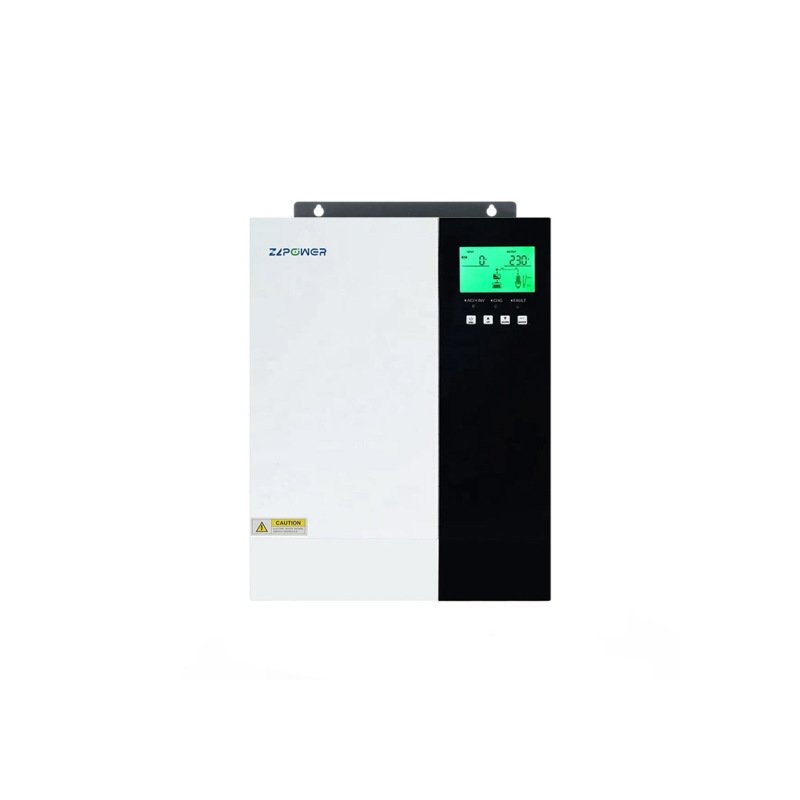
Smart solar inverters differ much from their first grid-linked versions. The move to AI-built designs brings better output levels. These often go over 98%. New ways of working, like grid-forming ability, let systems hold steady voltage and frequency on their own during issues.
Current types also handle mixed roles with energy storage links. This allows easy shifts between on-grid and off-grid states. Links for talking have grown past RS232 or SNMP cards. They now cover Wi-Fi, Ethernet, and mobile networks for instant data sharing.
A key trait of smart solar inverters 2026 is two-way power movement support. This proves vital for joining virtual power plants (VPPs). In these, spread-out resources work together as one managed unit. Such growth fits the wider shift to spread-out grids. Here, adaptability brings real worth.
Artificial intelligence now forms the heart of inverter smarts. Machine learning setups, trained on long-term work data, let AI solar inverter monitoring predict output from weather trends. They spot dirt buildup losses. Plus, they tweak MPPT (Maximum Power Point Tracking) settings quickly to keep top results even with partial shade or heat changes.
AI helps with even load sharing too. It checks use patterns next to PV output shapes. If clouds move in or needs jump suddenly, the inverter adjusts right away. This stops cutting losses that once hurt old systems.
Business studies note that AI-led smart inverters raise yearly energy output by 5–10%. They also cut upkeep tasks by almost half. These wins prove real. Daily examples appear on business roofs and big utility fields with flexible control software.
Far-off views turn essential for managers handling many-site groups. Online setups now give steady watch over inverter work, right down to string details. They track voltage, current, heat, and error signs around the clock.
Control panels gather facts like daily output, output rates, and warnings into clear pictures. Users reach them through phone apps or web pages. Far-off software updates keep groups up to date without expensive trips to sites.
For owners watching over scores of commercial solar inverters, this tech level means several gains:
· Quicker problem spotting (usually in minutes)
· Comparing sites to check output differences
· Easier reports for rule checks
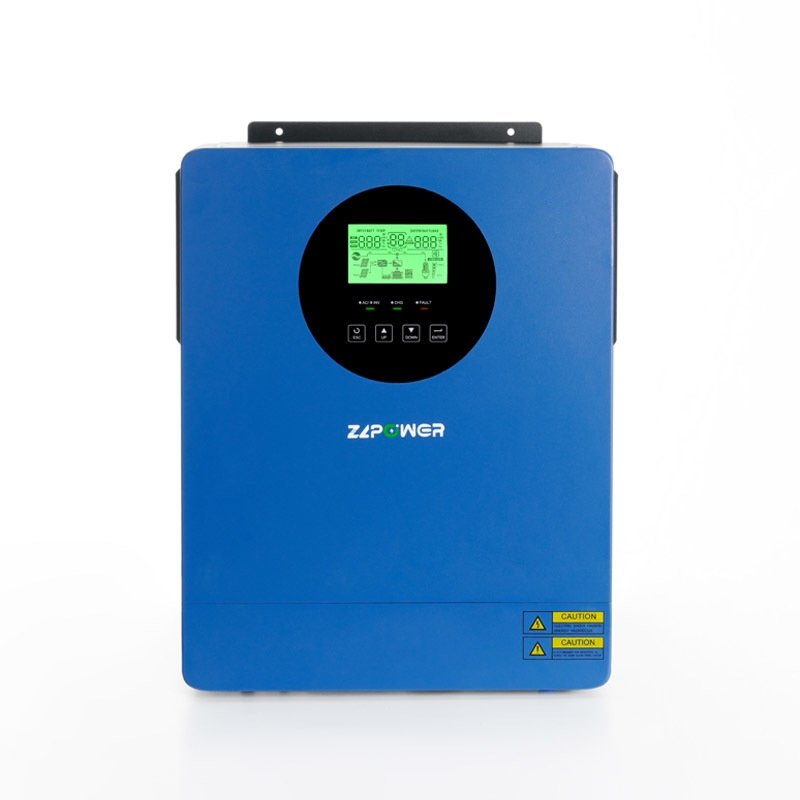
ZLPOWER’s hybrid inverter line, like the PVG range, already adds RS232 link ports and LCD screens with changeable user options. This base extends well into complete far-off control networks.
Operations & Maintenance methods move from quick fixes to ahead-of-time plans. These use IoT sensors built right into smart inverters. Such sensors keep checking heat differences, current waves, and voltage oddities without pause.
AI reviews turn this info into guesses on part wear or left useful time (RUL). Auto notices start before breakdowns happen. So, workers plan swaps ahead instead of rushing to surprise halts.
Trade standards say ahead-of-time O&M cuts stoppages by 30%–70%. It halves travel for fixes. Equipment lasts much longer too. Links to main O&M setups let smooth teamwork between on-site teams and digital copies of each piece.
This pattern sets the smart solar inverter O&M trends for 2026: less shocks, cheaper cost per kWh made, and solid trust in all areas.
ZLPOWER’s lineup captures these steps through everyday building:
|
Feature |
Description |
|
AI-enabled monitoring |
Real-time diagnostics supported by intelligent control algorithms |
|
High-efficiency MPPT trackers |
Built-in controllers maximize DC-to-AC conversion efficiency |
|
Hybrid compatibility |
Works seamlessly with lithium or AGM batteries for storage integration |
|
Overload & surge protection |
Safeguards against abnormal conditions ensuring system longevity |
|
Remote control functions |
Configurable via LCD interface or communication ports |
PVG comes with MPPT solar charge controller to boost and steady DC power from the solar setup for charging the battery group. Its battery-free plan lets it run even without batteries linked. This suits mixed setups needing bend under different load states.
ZLPOWER’s follow of ISO9001/ISO14001 approvals strengthens its pledge to good making rules. At the same time, it holds fair prices in world markets.
Smart inverter tech applies across various fields:
· Utility-scale plants: Ahead controls even out grid ties during high change times.
· Commercial & industrial rooftops: Far-off panels make group oversight simple.
· Hybrid microgrids: Smart switches between PV output and stored power keep steady supply in blackouts.
For instance, a storage center using ZLPOWER hybrid systems saw a 9% rise in net energy output. This came after adding AI-based tweak software. Remote tracking notices also caught string wear early. Such cases show clear upsides. They lead to quicker return times. This matters as rivalry grows in world PV areas.
Picking the best smart inverter calls for checking key points:
1. Efficiency rating above 97% under real-world conditions
2. Compatibility with communication standards like Modbus TCP/IP or MQTT
3. Cybersecurity resilience through encrypted data transmission
4. Scalability for multi-inverter synchronization within large arrays
Linking with current SCADA systems stays key for one plant control setup. As digital twins grow past 2026, self-run O&M helpers might test work scenes before acting on fixes alone. This blends real gear with their online twins.
The path shows plain: sharper parts will keep pushing clean energy money at big sizes.
Smart solar inverters in 2026 reshape how PV gear runs. They mix artificial intelligence with better links to hit higher output and trust at less cost per watt-hour made. For developers seeking proven solutions ready for tomorrow’s grid challenges, ZLPOWER offers field-tested technology grounded in robust design principles and intelligent automation features that simplify operations while maximizing returns.
Businesses planning next-generation PV deployments can contact ZLPOWER’s team to tailor configurations suited for their commercial or utility applications worldwide.
A: They include predictive generation forecasting based on weather inputs, dynamic MPPT optimization adjusting every few milliseconds, automated fault classification through pattern recognition models, and adaptive load balancing that keeps voltage steady during rapid demand shifts.
A: Cloud dashboards provide real-time insight into performance metrics like voltage imbalance or thermal stress; combined with remote firmware updates they help operators resolve issues without site visits — cutting maintenance time dramatically across large portfolios of commercial solar inverters.
A: Decision-makers should assess conversion efficiency levels, supported communication protocols (Wi-Fi/Ethernet), cybersecurity compliance measures, scalability potential within VPP frameworks, and manufacturer reliability backed by certifications such as ISO9001/ISO14001 held by ZLPOWER.
A: Embedded sensors monitor operating parameters continuously; AI models analyze deviations against normal baselines triggering early alerts before failures occur — minimizing emergency repairs while extending component lifespan consistent with emerging smart solar inverter O&M trends.
A: Most top-tier units now support reactive power compensation for voltage regulation, frequency ride-through compliance per evolving grid codes, seamless hybrid operation with lithium storage banks like ZLPOWER’s EL series batteries featuring longer cycle life up to 3,500 times compared to lead-acid types (Longer Cycle Life, cycle life up to 3,500 times), enabling flexible dispatch within distributed networks.
 ChatNow
 Vania
Vania